
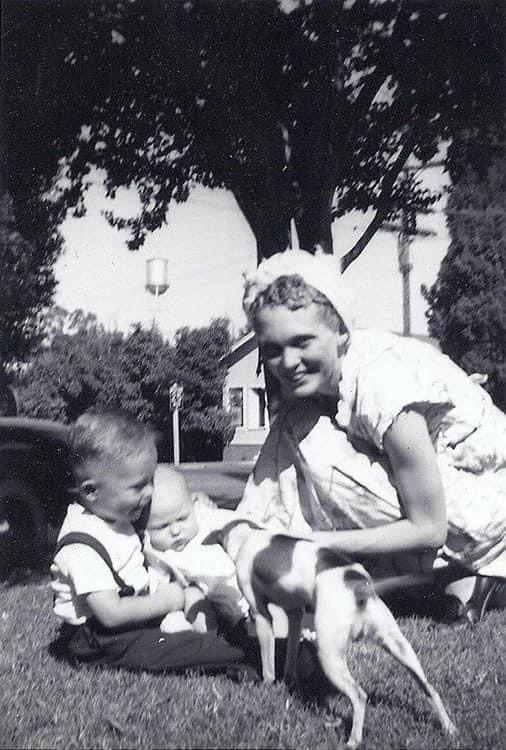
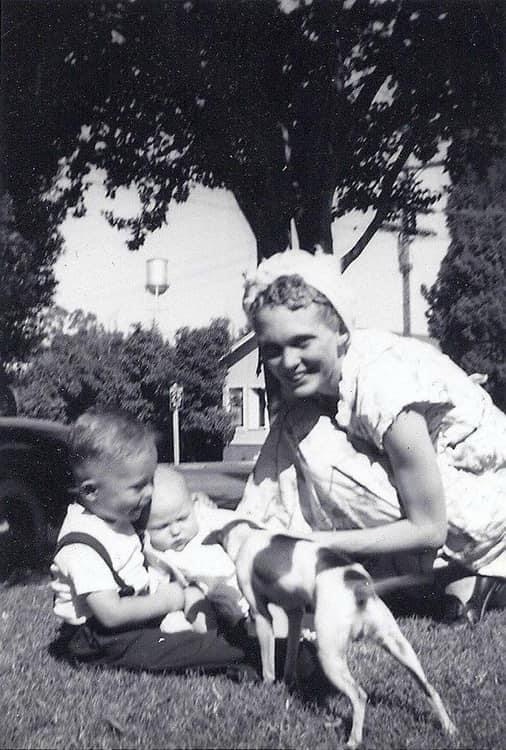
One of the most excruciating, defining moments in my life occurred soon after my father died. My mother was visiting us in Montana. She wept as she pushed her wheelchair up the walk, knowing my dad would never see our new home. It was 2005.
Later I tried to show her how to use the new laptop we’d given her to connect with people who cared about her. She couldn’t grasp all the steps it took to log in.
That evening I sat with her on the bed while she called a credit card company where she and my dad had had an account for years.
“I’m sorry, but I can’t talk to you,” the customer service agent told her. “The account is in your husband’s name.”
She broke down in silent, helpless sobs. They would take her checks but not her calls. I sat quietly beside her, trying to absorb her pain and somehow take it from her. Her identity was disappearing one pixel at a time as she tried to cope with my father’s death and the fact that others barely recognized her existence without him.
Many had already marginalized her when she was with him, ignoring her or talking down to her, especially after she became crippled by an inexplicable illness nearly overnight. A similar thing happened to one of my college math professors. Same crippling, same marginalization.
I wouldn’t have minded merely being marginalized or ignored when I was younger. My eighth grade classmates made fun of my name, my hair, my clothes, my laugh, and everything I said. They knocked me down, screamed my name in the hallways, and stole my things, tossing them around and baiting me to come after them. In a Christian school.
I defended myself once and found myself flat on my back with the wind knocked out of me. Not one person spoke up or defended me. Not one. Including the teachers who chose to remain oblivious. No one protested.
Since then, I’ve been betrayed and driven to my knees by those who’ve claimed to love me most. Regrettably, I’ve done the same to others. As a result, I do not recognize a clear distinction between friend and enemy.
Six years ago, I stood on both sides of the wall at Dachau feeling my mostly German blood pulsating through my temples as I contemplated just how unspeakably cruel men and women alike can be. I imagined standing in the shoes of the prisoners, the guards, and the people on the outside who had no idea what was going on. Or maybe they knew and it was just easier and safer to ignore.
Even then, we already had seeds of the holocaust growing in our own soil. Not in backwoods Idaho or Appalachia or in the streets of Chicago. Not in bars or casinos or prisons, but in churches and schools and in a thousand daily Facebook posts by average “good” people exhibiting a restrained but seething desire for anyone who sees or does things differently than they do to smarten up, shut up, suffer, get what they deserve, or merely disappear from their perfect picture.
Humans are humans, whatever side of the wall they’re on. Whatever their skin color. Whatever their thoughts, feelings, or inclinations. Whatever their religion, nationality, politics, or other persuasion. Apathy and cruelty fall on the same spectrum. It’s all connected.
One who mistreats an enemy will also mistreat a friend or loved one. What happened in Germany was extreme, but it started with small ideas and actions. Private thoughts and innocent conversations full of righteous indignation over what someone else had or hadn’t done.
How we treat others is about who we are, not who they are. I’d like to think that anyone who has been on the receiving end of cruelty becomes supremely compassionate and sensitive to the plight of others without creating hierarchies and participating in power struggles based on varying levels of suffering. I’d like to think they have a heightened capacity to perceive the big evil that comes in small packages delivered by friends and family as well as by acquaintances and strangers—and that they choose not to become bitter.
That’s what I’d like to think, but I realize it isn’t always the case.
And I protest.
June 19, 2019
 Conna Bond